Whether you’re a consumer looking to purchase a product or a business involved in its distribution, packaging plays an essential role in shaping how we interact with goods. But the significance of packaging can vary depending on your relationship with the product. Customers may not think much about how products are packaged, but for businesses, choosing the right packaging option is crucial, as each type serves a distinct purpose in the overall process.
In this article, we will discuss the three different types of packaging: primary, secondary, and tertiary. With a clear understanding of these types and their benefits, you can make informed decisions that align with your product. Packaging types help you meet the requirements of your business and the unique challenges of the packaging industry.
In a competitive market, packaging makes your product stand out. It not only protects the product but also influences consumer perceptions and purchasing decisions. Packaging relates to each stage of the supply chain. With packaging strategy, businesses can optimize their operations, enhance the overall customer experience, and address specific needs as they arise at different points in the process.
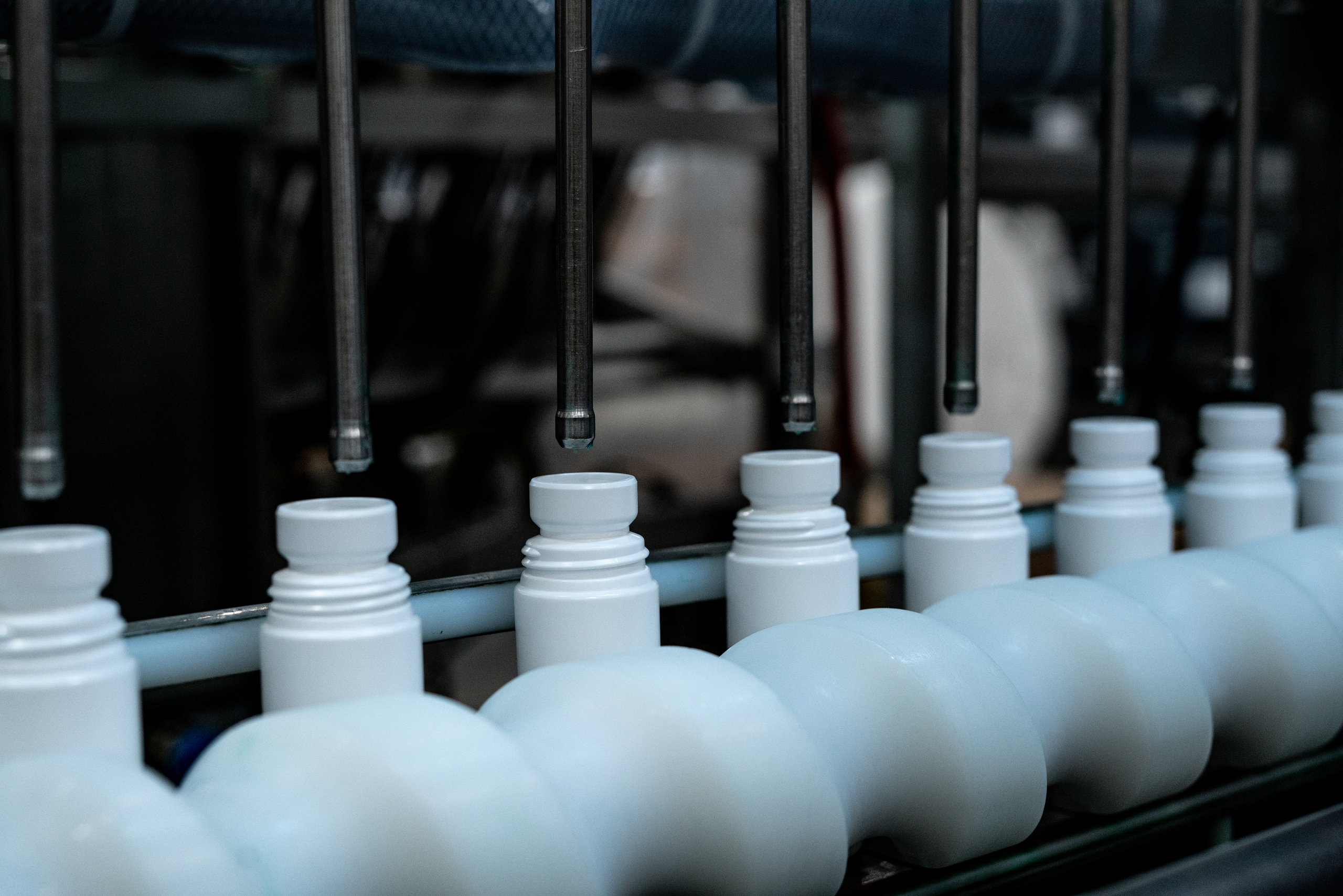
Primary packaging refers to the container or wrapping that immediately and directly contacts a product. In other words, it is often the packaging a customer will see, touch, and otherwise interact with when they pick a product up off the shelf. Common examples of primary packaging include:
Each is designed to protect the product, maintain its integrity, and provide essential information to consumers. It doesn’t matter what you’re selling: if you’re shipping products, they’re at least in primary packaging.
Primary packaging offers several key benefits:
Secondary packaging surrounds the primary packaging and serves as an additional layer of protection, convenience, and branding. Examples of secondary packaging include:
These are responsible for grouping multiple primary packages, facilitating handling, and enhancing the overall product presentation. Folding carton packaging, for instance, is commonly used to contain and display multiple primary packages and is seen in retail stores for cosmetic, OTC, and pharmacy products. It provides a cost-effective and visually appealing solution for retailers and consumers alike. Secondary packaging allows for more convenient purchase and transportation of primary products. Many manufacturers are aware of the importance of secondary packaging, given its two key advantages.
The advantages of secondary packaging include:
Tertiary packaging serves as the outermost layer in the packaging chain, ensuring safe transportation and storage of large quantities of products. Tertiary materials are a flexible packaging solution for companies that need to ship large quantities of items. Commonly, tertiary packaging includes:
This packaging type is designed to protect and consolidate multiple secondary packages during storage and transportation. The common materials used in tertiary packaging are generally more durable than those in secondary or primary packaging.
The benefits of tertiary packaging include:
When choosing the right packaging type for your business, there are several factors to consider. Here are a few key aspects to keep in mind:
By thoughtfully weighing the advantages of each packaging type, you can optimize product protection, enhance brand appeal, and improve operational efficiency. But to be truly strategic with your packaging, having an expert partner by your side is essential.
With over 35 years of experience in manufacturing and packaging products, Multi-Pack Solutions has become a trusted ally of countless renowned businesses across various markets. We offer a comprehensive range of packaging solutions tailored to the specific requirements of the products we handle, and by collaborating closely with our clients, we leverage expert, industry-leading practices to develop innovative packaging solutions.
Don’t underestimate the impact of packaging on your product’s success. Contact Multi-Pack Solutions today to discuss your contract packaging needs and discover the advantages that will set your business apart from the competition.
