At Multi-Pack Solutions, product quality and safety are built into the process from the start – through rigorous engineering controls, controlled environments, and frequent environmental monitoring. For most of the drug products and medical devices we manufacture, these systems are what ensure a safe, compliant product.
But for other products, some clients choose to incorporate sterilization as an additional layer of risk mitigation. In those cases, choosing the right sterilization approach impacts everything from material selection and packaging design to regulatory compliance and shelf life. In this guide, we’ll walk through the most common sterilization methods, how packaging must support each one, and how Multi-Pack Solutions helps brands execute effective, compliant sterile packaging strategies when sterilization is part of the plan.
Sterilization is the process of eliminating microorganisms and is one important tool for supporting product safety. For certain products that come into contact with sterile fields or are applied to the body – such as select medical supplies, surgical supplies, pharmaceuticals, and personal care products – sterilization may be specified as part of the product’s risk mitigation strategy, often at the request of the brand or end customer.
When sterilization is part of the plan, it works best alongside quality packaging that protects product integrity from the moment of sterilization through storage, distribution, and final use. When sterilization and packaging are not properly aligned, brands can face increased risk of contamination, recalls, regulatory findings, and delayed product launches.
Different products require different sterilization approaches. The ideal method for a given product depends on factors like material compatibility, temperature sensitivity, moisture tolerance, regulatory requirements, and intended use. Take a look at some of the most widely used sterilization methods in medical and pharmaceutical applications.
Ethylene oxide (EtO) is one of the most commonly used sterilization methods for temperature- and moisture-sensitive products. It’s particularly well-suited for complex medical devices, plastics, and multi-component assemblies.
The key characteristics of EtO sterilization include:
When packaging is designed for EtO sterilization, gas permeability is an important consideration, as it allows the sterilant to reach the product while the packaging maintains a strong microbial barrier after processing. Materials such as breathable medical-grade papers and Tyvek® are commonly used.
Multi-Pack Solutions supports EtO-compatible packaging configurations and helps brands design sterile barrier systems that align with EtO sterilization requirements, including material selection, sealing processes, and validation support.
Gamma sterilization uses high-energy radiation to destroy microorganisms and is frequently used for single-use medical products and pharmaceutical packaging. This method is effective, consistent, and well-suited for high-volume production.
Some of the major aspects of gamma sterilization include:
Given these factors, packaging for gamma-sterilized products should be carefully evaluated to help ensure it maintains barrier integrity and performance over time.
Multi-Pack Solutions works with gamma-compatible materials and packaging formats, helping brands ensure their packaging systems maintain integrity, strength, and compliance throughout the product lifecycle.
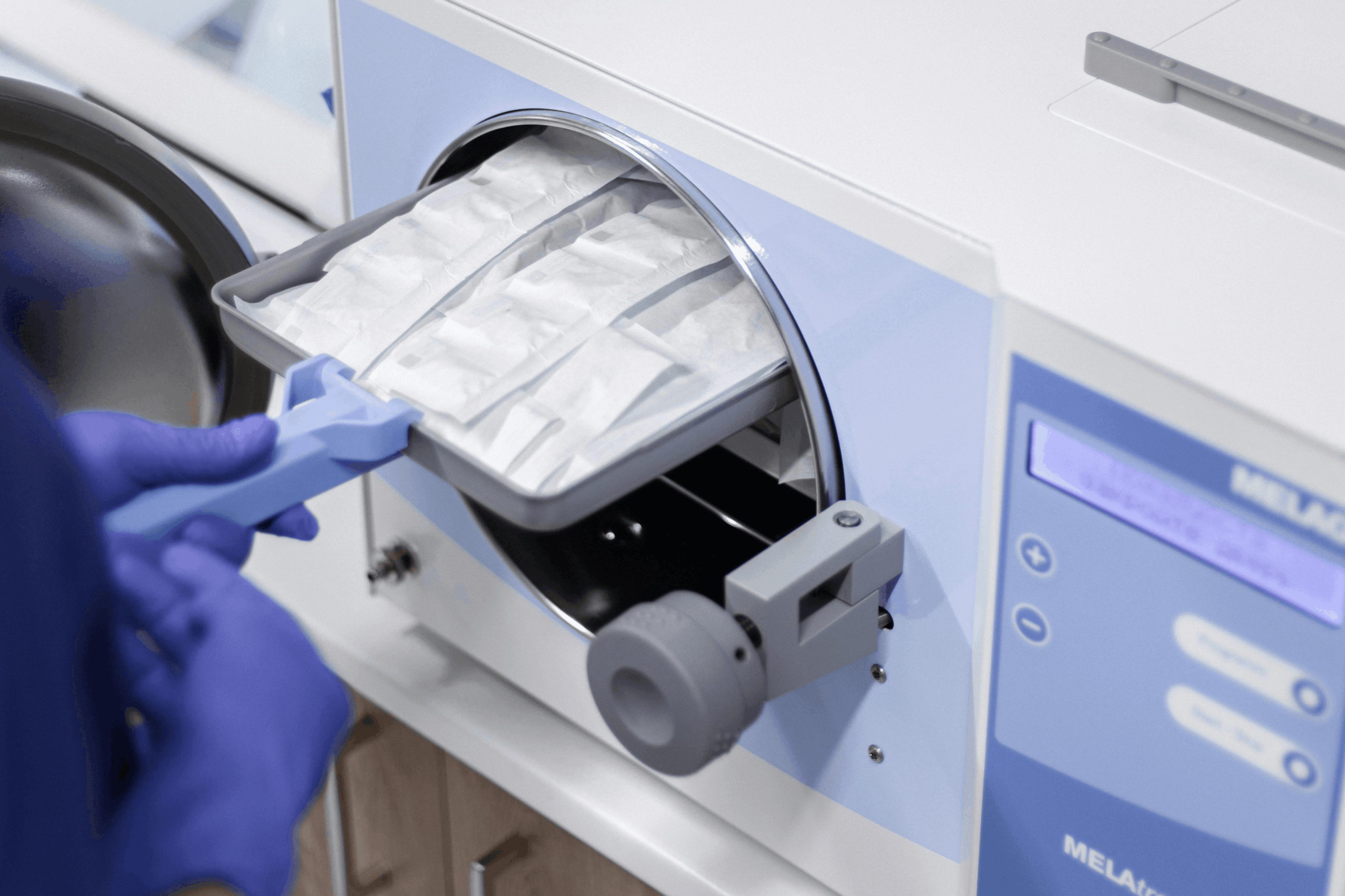
Steam sterilization, also known as autoclaving, relies on high heat and moisture to eliminate microorganisms. It is commonly used for products that can tolerate elevated temperatures and humidity.
Because of the harsh conditions involved, packaging intended for steam sterilization should be evaluated for its ability to withstand:
Packaging materials and seals should be selected and validated to maintain strength and sterility under these conditions.
While not all products are suitable for steam sterilization, Multi-Pack Solutions helps clients evaluate packaging options that support this method when applicable, ensuring compatibility and regulatory compliance.
When sterilization is part of the picture, it doesn’t exist in isolation. Instead, it directly influences packaging structure, materials, and validation requirements. Effective sterile packaging is generally designed to:
Primary packaging formats – for example, bottles, tubes, sachets, wipes, and thermoformed components – are ideally selected with both product compatibility and sterilization method in mind. Multi-Pack Solutions offers a range of primary capabilities designed to support sterilized products, including filling, sealing, and labeling services under controlled quality systems.
When sterilization is part of a product’s design, regulatory agencies typically expect that sterile products demonstrate consistent sterility and packaging performance throughout their shelf life. This can include:
An integrated approach to sterilization and packaging reduces risk, simplifies audits, and supports faster product approvals.
At Multi-Pack Solutions, we incorporate quality and validation considerations into every stage of the packaging process, helping brands navigate regulatory requirements while maintaining their operational efficiency.
Multi-Pack Solutions is an experienced packaging partner that helps brands successfully prepare products for sterilization and maintain sterility through packaging design, execution, and validation.
MPS supports brands by:
With decades of experience in regulated industries, Multi-Pack Solutions helps clients bridge the gap between sterilization requirements and real-world packaging execution.
For companies in the pharmaceutical, surgical, and medical industries, Multi-Pack Solutions provides sterile packaging services that combine compliance expertise with production efficiency.
Our turnkey model covers everything from filling to sterile barrier packaging and labeling. With decades of experience in medical and pharmaceutical packaging, our team ensures your products maintain their integrity, safety, and sterility, no matter their complexity.
Ready to strengthen your sterile packaging strategy? Contact Multi-Pack Solutions today to discuss how our end-to-end packaging capabilities can help you maintain sterility, ensure compliance, and deliver quality with every unit produced.
